According to data from the Indonesian Central Statistics Bureau (BPS), until February 2022 the number of Indonesian workforce is around 144 million, and about 69% are from productive age (15 years old and over) which reaches 208.54 million people. The statistics show Indonesia has a huge potential to develop human resources, to support other countries especially in the migrant workers sector. “Every year on average, Indonesian Migrant Workers contribute to state revenue of up to IDR 159.6 trillion,” said Benny Ramdhani, Head of the Indonesian Migrant Worker Protection Board (BP2MI). This figure is the second largest after the state revenue from the oil and gas sector and is above tourism.
Until now, there are around 4.4 million Indonesian migrant workers spread across various countries, with the largest concentration in Malaysia, East Asia (Hong Kong and Taiwan) and a number of Middle Eastern countries. In the last decade, Indonesian Migrant Workers (formerly abbreviated TKI, now PMI) are identical to negative stories, domestic work, and less-skilled. In the future, the Indonesian government targets that the migrant workers will be placed in sectors that prioritize skillful jobs. “The state obligates PMI the best protection and provision before sending them to the country of placement,” continued Benny.

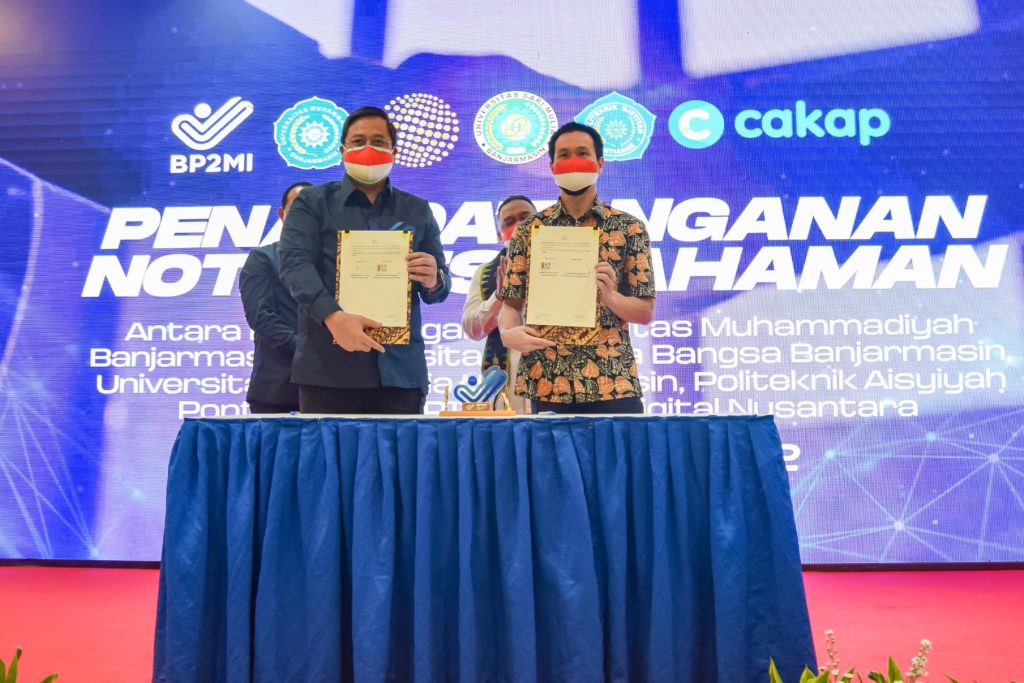
Therefore, BP2MI cooperates with a number of regional governments in eradicating the illegal agency for PMIs. The regions who joined in the cooperation scheme are mostly the large number of PMI contributors such as Pekalongan in Central Java, Timor Tengah Utara and West Manggarai Regency in East Nusa Tenggara. In addition to the local government, BP2MI also cooperates with five educational institutions to provide skill training, especially in the scope of
foreign languages. Edtech Cakap, is an upskilling platform that BP2MI is partnering with in providing Mandarin and English courses.
According to data from the International Labor Organization (ILO) in 2019, it was estimated that there were 169 million global migrant workers spread across the globe. Data from the same year also shows that 66.2% of these migrant workers work in the service sector. This sector certainly has a need for high skills mastery of foreign languages according to location arrangement.
Jonathan Dharmasoeka, Cakap’s Chief of Business welcomed this collaboration considering Cakap’s position as one of the leading upskilling and career enhancement platforms in Indonesia that could support BP2MI’s to produce trained skill workers. “We recognize the provision of language for prospective Indonesian Migrant Workers is very important, especially regarding the vocabulary of the sector or field of work. Foreign language training aims to make Indonesian Migrant Workers highly proficient in skill and communication. With this language training, it is our expectation that it will open up access to better jobs, and higher earnings” he added.
Edtech Cakap targets that more than a thousand prospective migrant workers will receive foreign language courses before being placed in their designated countries. Currently, there are PMI candidates who have received Mandarin classes before being sent to their destination countries, especially Singapore. The online training scholarship started on March 27, 2022 for 48 sessions for three to five students (semi-private).

Edtech Cakap is an upskilling platform that has foreign language classes (English, Mandarin, Japanese, Korean and Indonesian for expatriates) as well as vocational skills in various fields such as entrepreneurship and digital. Tomy Yunus, CEO and Co-founder of Cakap hopes that this training can elevate the skills of Indonesian human resources so that they can compete with the global workforce. “Cakap has developed more than 8,949 modules from various industries and purposes, such as hospitality, engineering, sales, and marketing. We believe that collaboration between parties is inline with our mission in improving the quality of the nation’s human resources.” Tomy concluded.